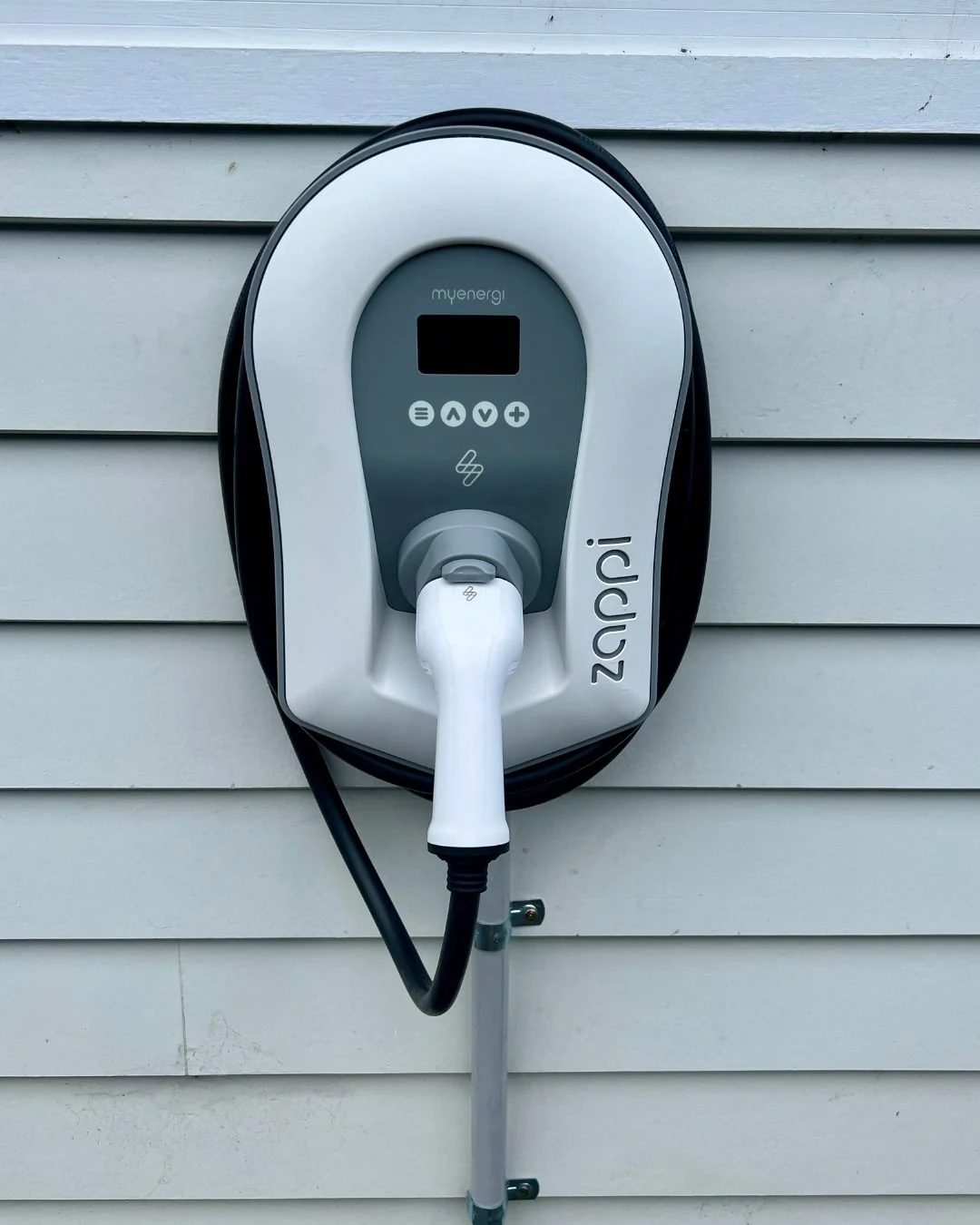
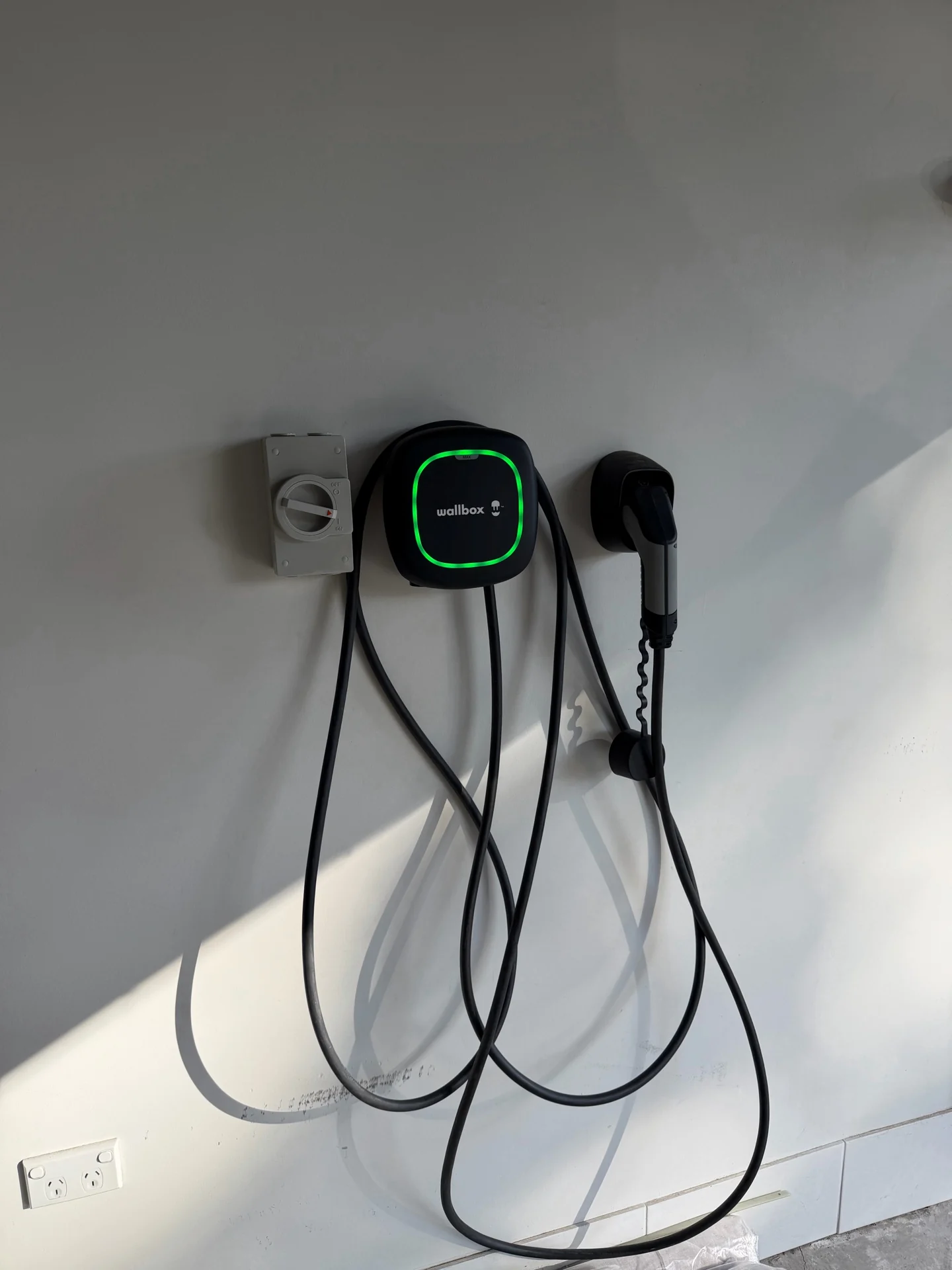
Voltra provides EV charger installation Melbourne homeowners can rely on for a straightforward, tidy home charging setup. We install and connect home EV chargers across Melbourne, whether the preferred location is a garage, carport or suitable outdoor wall.
A home EV charger installation gives an electric vehicle a dedicated place to charge when it is parked at home. Every installation is completed by a licensed electrician under REC 37324 and finished with a Certificate of Electrical Safety.
A dedicated charging circuitA fixed written quoteTested. Certified. Ready.
02 / POWER, IN BALANCE
Yourhomecomesfirst. Yourchargerunderstands.
Watch how load management shares the available power.
01 / A quieter home
Room to charge.
With less household demand, more of the available supply can go to charging. The home and car share the illustrated 40A limit.A quieter home leaves more capacity for the car. Together, they share the available supply.
Select a stage to explore the example.
HOUSEHOLD8A
EV CHARGER32A
COMBINED40Aof 40A illustrated limit
HouseholdEV chargerIllustration · 40A single phase
Illustrative values, not live readings. The charger, vehicle, supply and configured limits determine actual charging. Load management may reduce the need for extra supply capacity; it does not replace a switchboard safety assessment. How Evnex manages household load.
Read the example as a table
Illustrative current, in amps
Stage
Home
EV
Total
Quieter home
8A
32A
40A
Evening peak
28A
10A
38A
Late night
8A
32A
40A
03 / REAL HOMES. REAL INSTALLATIONS.
Aconsideredsetup. Downtothecable.
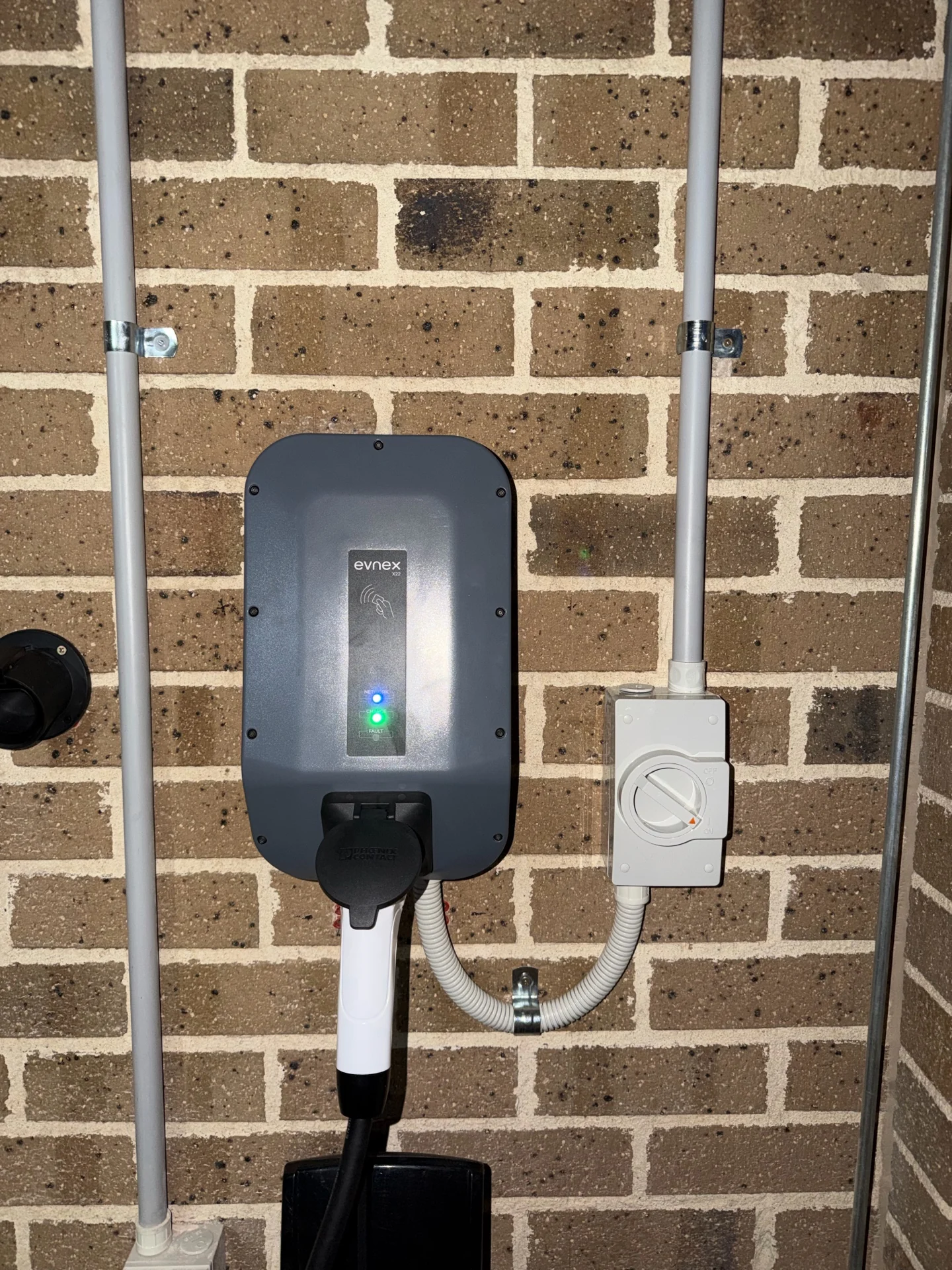
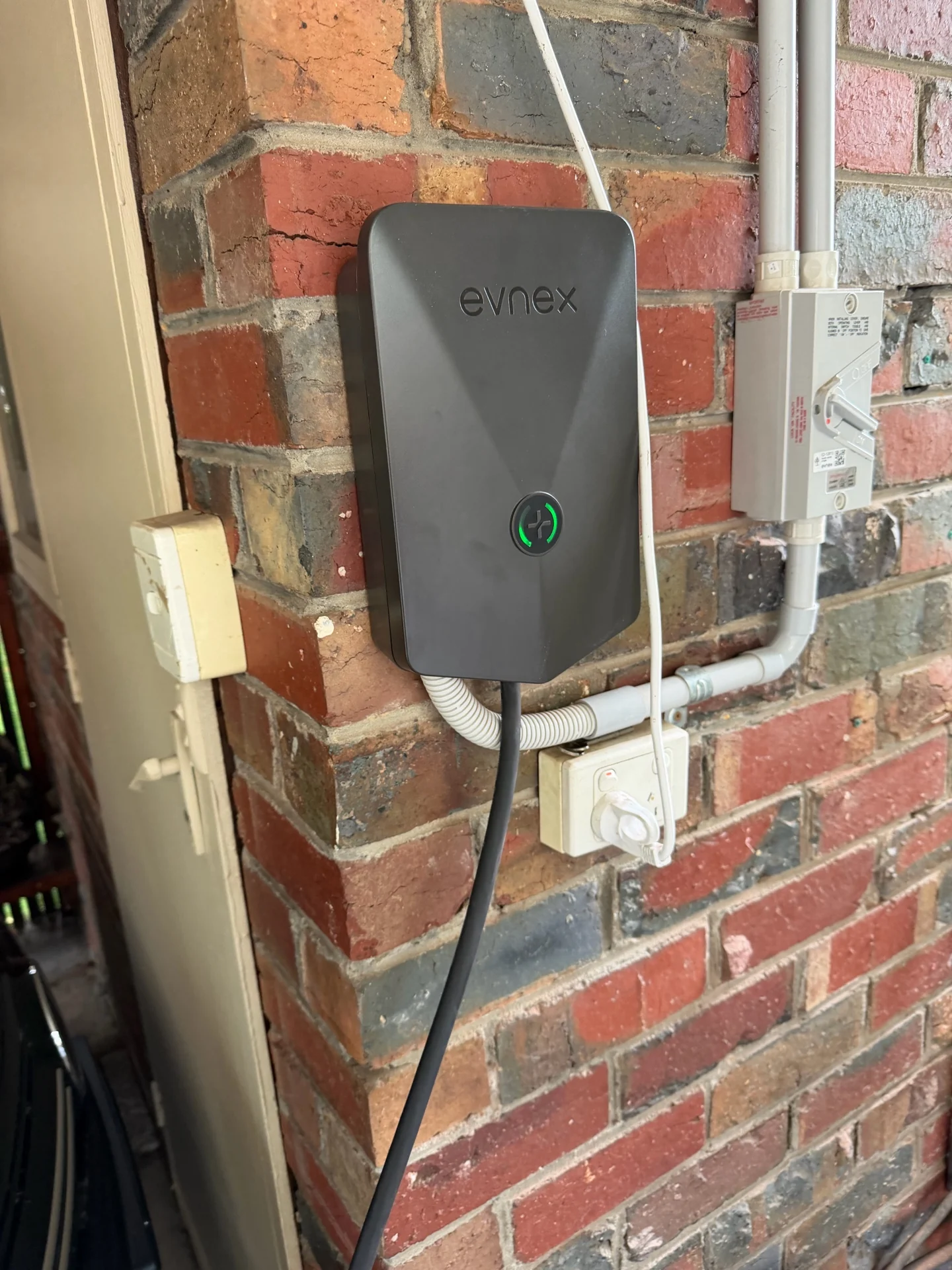
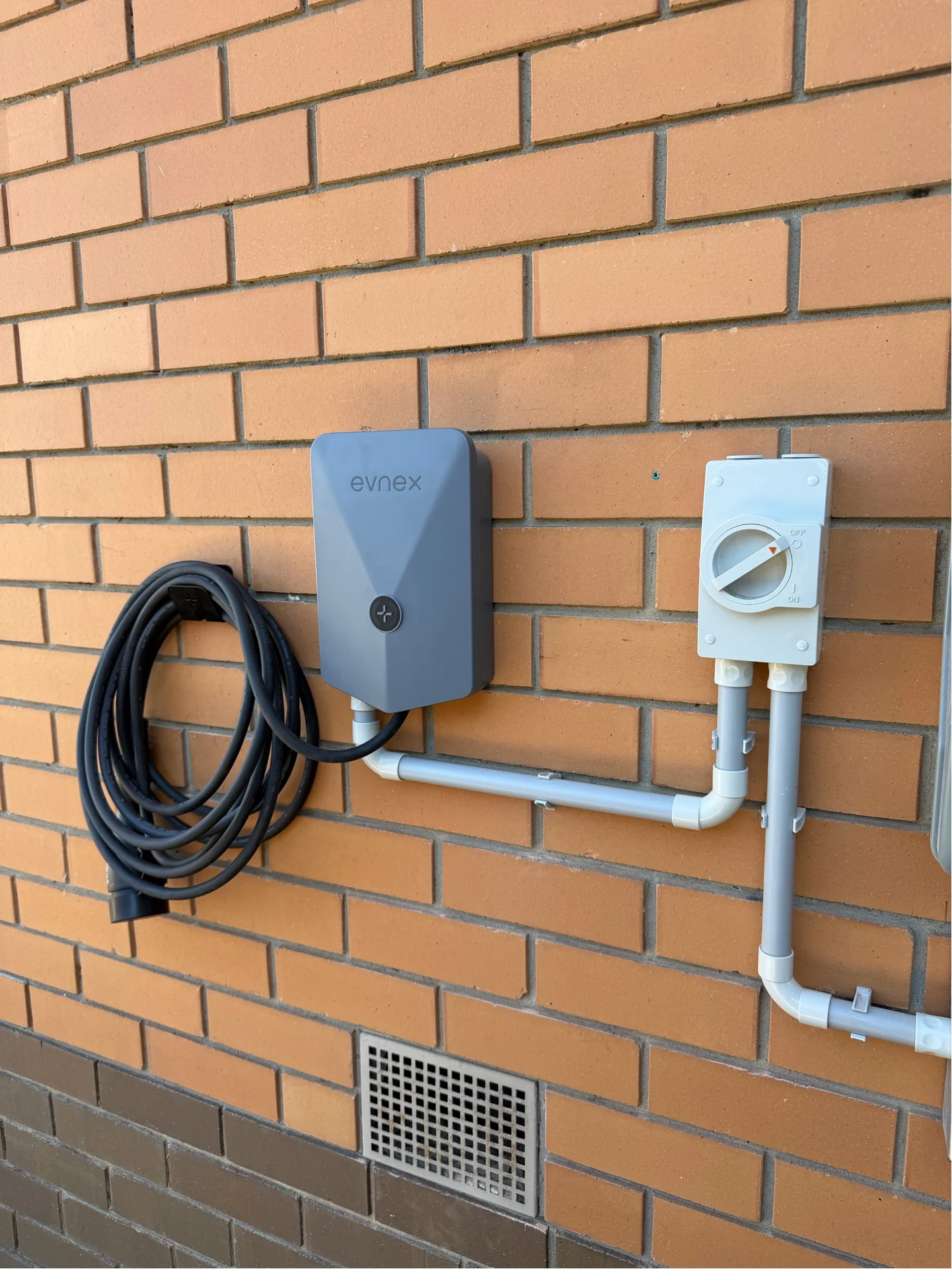
Existing Voltra installations. The details make the difference.
If the vehicle, charger type or existing electrical setup is still being worked out, that is fine. Voltra can assess the property and explain the practical options before work begins.
The aim is a dependable charging point that fits the way the household parks, drives and uses electricity. Before installation, Voltra checks the proposed charger location, the existing electrical equipment and the path for the dedicated cable. This keeps the finished setup clear, practical and suited to the individual home.
Tesla
Zappi
Wallbox
EVNEX
Ocular
Ohme
01 / CHARGERS WE INSTALL
A charger that suits you.
We install or supply and install Tesla, Zappi, Wallbox, EVNEX, Ocular and Ohme home chargers. Choose the features around your vehicle and electrical setup.
Tethered means the cable is attached and ready to use. Socketed means you connect a separate charging cable.
02 / SINGLE OR THREE PHASE
Start with your supply.
Single-phase and three-phase homes have different charging options. Your vehicle’s AC charging capability also determines how much of a charger’s output it can use.
You don’t need to know your supply type before enquiring. We check it during the assessment.
03 / SOLAR & LOAD MANAGEMENT
Think beyond the charger.
Compatible chargers can adapt to household demand or use available solar energy. The right setup depends on your charger, metering and existing solar or battery system.
We explain what is practical for your home before recommending a setup.
TESLA WALL CONNECTOR
TeslaWallConnector. Installedproperly.
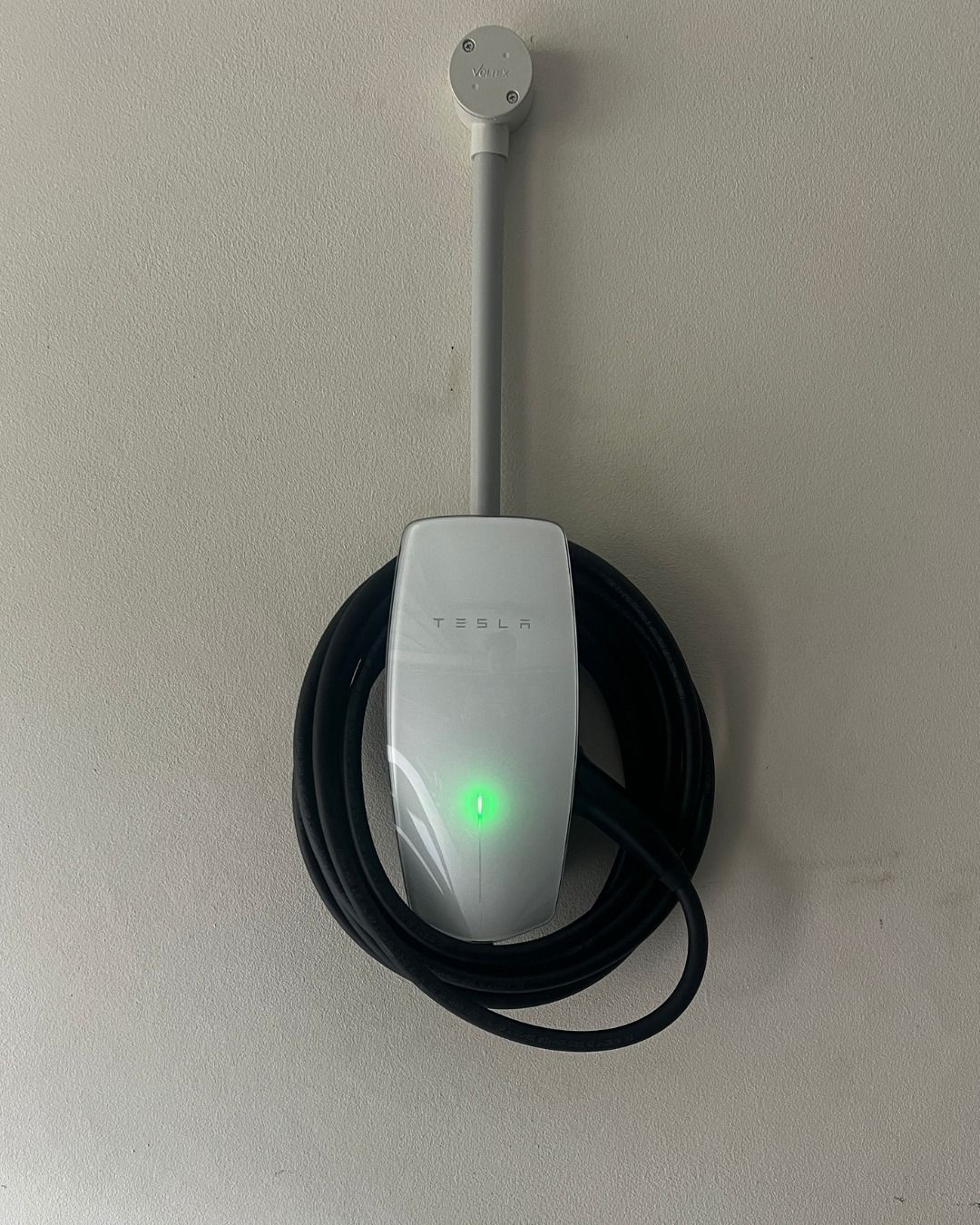
We install the Tesla Wall Connector in Melbourne homes, mounted where you park and connected on its own circuit from the switchboard.
Before installing, we check the switchboard, the supply and the cable route, then set the charger's current limit to suit your home and test the installation.
01 / SINGLE OR THREE PHASE
Matched to your supply.
On single-phase power, a Wall Connector typically charges at up to about 7 kW. Three-phase homes can charge faster, up to what the car itself can accept.
02 / MORE THAN ONE CAR
Share the power.
Two or more Wall Connectors can be set up to share one supply and split the available power between cars.
03 / OTHER ELECTRIC CARS
Not only for Teslas.
It uses the Type 2 connector common in Australia, so it can charge many other electric cars too. We confirm it suits your car first.
Tesla and Wall Connector are trademarks of Tesla, Inc. Voltra Electrical is an independent electrical contractor.
05 / FROM FIRST LOOK TO FIRST CHARGE
Plannedproperly. Finishedproperly.
We consider switchboard condition and capacity, the cable route, mounting surface and where you park. The scope is agreed before work starts.
A Thomastown homeowner wanted an EV charger that would work with their existing solar and battery setup. The alternative being considered would have required an inverter upgrade, adding work and cost to the project.
We installed an Evnex charger compatible with the existing setup, avoiding that additional inverter upgrade. The result met this customer's charging needs while retaining the solar and battery equipment already in place.
Compatibility depends on the complete installation. Share your solar, battery and inverter details before choosing a charger; another property's solution may be different.
Most straightforward installations are done in a day. The assessment confirms the cable route, switchboard capacity and charger location before work starts. If the property needs a more involved approach, that is set out in the fixed written quote.
What's the difference between a Level 1 and Level 2 charger?+
Level 1 charging uses a standard powerpoint and is a slow trickle charge. A Level 2 charger is a dedicated wall-mounted charger on its own circuit and is several times faster for home charging. It is the usual choice for a practical overnight setup.
Can my switchboard handle an EV charger?+
Voltra checks the switchboard during the assessment. The check looks at available capacity, the condition of the board and the required safety protection for a dedicated circuit. If related switchboard work is needed, it is explained before work begins.
Do I need three phase power for an EV charger?+
No. Most Melbourne homes are single phase and can run a 7 kW charger, which is suitable for an overnight charge. Three-phase homes can support faster 22 kW-capable chargers, but Voltra checks what the property has during the assessment.
Can the charger be installed outside?+
Yes, where the charger and mounting location are suitable for outdoor use. Weatherproof options are available for an exterior wall, carport or driveway location. The cable route and mounting surface are checked as part of the assessment.
Can an EV charger be installed in an apartment?+
An apartment or unit installation can be possible, but shared electrical infrastructure and owners corporation approval may need to be considered. Voltra can review the practical installation path for the individual property. The assessment clarifies the available options before work begins.
What's the difference between tethered and socketed chargers?+
A tethered charger has its charging cable attached to the unit, ready to plug into the vehicle. A socketed charger has an outlet on the unit, so the vehicle's cable is used instead. Both can suit a home setup; the choice comes down to the vehicle and how the charger will be used.
Can the charger work with my solar?+
Many chargers support solar-aware charging or load management. Voltra can explain what suits the property's existing electrical setup during the assessment. The right approach depends on the charger selected and how the home uses electricity.
Do I get a safety certificate?+
Yes. Every Voltra EV charger installation is completed with a Certificate of Electrical Safety. The certificate records the completed electrical work and is issued after the installation is tested.
Who can legally install an EV charger?+
A licensed electrician must carry out hardwired EV charger installation in Victoria because it is licensed electrical work. Every Voltra installation is completed under REC 37324 and certified with a Certificate of Electrical Safety. This gives the homeowner a clear record of the completed electrical work.
Do you install the Tesla Wall Connector?+
Yes. We install the Tesla Wall Connector on its own circuit from the switchboard after checking the board and supply, and set its current limit to suit your home. We also install Zappi, Wallbox, EVNEX, Ocular and Ohme chargers.
Which EV brands do the chargers suit?+
Home Level 2 AC chargers suit all current EVs and plug-in hybrids. The connector standard is the same across new EVs sold in Australia. Voltra can confirm the practical charger and cable setup for the specific vehicle during the assessment.
MELBOURNE’S NORTH & BEYOND
Chargingcloser tohome.
Based in Lalor, installing home EV chargers across Melbourne. Explore your suburb or our full service area.